
Potatoes often get a bad rap as just a side, but when you turn them into soup, they become a blank canvas for flavor and comfort. This vegan potato soup is a reminder that simplicity can be stunning, especially when you let the potatoes shine with just a few humble seasonings. It’s the kind of dish that feels like a warm hug on a chilly day, made from ingredients you probably already have in your kitchen.
There’s something satisfying about peeling and chopping potatoes, knowing that soon they’ll transform into something creamy and hearty. I love how this soup comes together quickly, yet it tastes like it’s been simmering all afternoon. It’s honest, straightforward, and perfect for those moments when you want something nourishing but don’t want to fuss.
Plus, it’s endlessly adaptable—add a dash of smoked paprika for a smoky kick or toss in some greens at the end for a burst of freshness. This soup has become my go-to when I want comfort without the fuss, a reminder that sometimes the simplest ingredients make the best meals.
Choosing to focus on the humble, often overlooked potato as a canvas for flavor and texture, this soup celebrates simplicity and resourcefulness, turning everyday ingredients into a comforting, hearty dish that feels like a warm conversation with an old friend.
Turning Potatoes into Comfort
- I remember the first time I made this soup on a cold winter evening; the aroma of garlic and roasted potatoes filled my tiny kitchen, instantly warming me up inside and out.
- There’s a quiet joy in peeling potatoes while listening to my favorite record—each slice feels like a small act of care, turning humble ingredients into something special.
- This soup reminds me of lazy Sunday afternoons at my grandma’s house, where simple flavors and slow mornings made everything feel gentle and right.
- I love how transforming a handful of everyday ingredients into a creamy, satisfying dish can turn a rough day into a cozy one, no fuss required.
Turning humble potatoes into comfort
This recipe came about during a particularly hectic week when I realized I was out of most of my usual ingredients but still craving something warm and filling. I threw together this potato soup with whatever was left in my pantry—potatoes, a couple of onions, garlic, and a splash of plant-based milk. The result was unexpectedly creamy and comforting, like a little hug after a long day. It’s become my fallback for those times when I want simplicity but still crave something satisfying and nourishing.
Historical & Cultural Insights
- Potato soup has roots in peasant dishes across Europe, often made with whatever was available in rural kitchens.
- During World War II, resourcefulness led to many simple, hearty recipes like this, which stretched ingredients to feed more people.
- The idea of blending cooked potatoes into a creamy soup dates back centuries, with variations found in Irish and Eastern European cuisines.
- In some cultures, potatoes were considered a gift from the New World, transforming local diets and inspiring countless comforting dishes.
- Modern vegan adaptations like this one highlight how humble ingredients can be turned into rich, satisfying meals without dairy or meat.
Ingredient breakdown: key components
- Potatoes: I love using starchy, fluffy potatoes—they become silky and creamy when cooked down. Swap in sweet potatoes if you want a sweeter, denser texture, but be aware it’ll change the flavor profile.
- Onions: They add a foundational sweetness and aroma that makes the soup feel warm and inviting. If you only have shallots, they’ll give a milder, more delicate flavor, which is just as good.
- Garlic: It’s my secret weapon for depth; it’s pungent and fragrant as it cooks. If you’re sensitive to garlic, reduce the amount or try roasted garlic for a milder, smoky note.
- Plant-based milk: I prefer unsweetened almond or cashew milk—smooth, neutral, and light. Coconut milk makes it richer and a bit more luxurious, but it’s a different vibe—more tropical.
- Vegetable broth: I always keep homemade or good-quality store-bought broth on hand—it’s the backbone. Water works in a pinch, but you’ll lose some richness and flavor.
- Seasonings: Salt, pepper, maybe a pinch of smoked paprika or thyme—these bring the flavors together. Too much salt can overpower, so taste as you go and adjust near the end.
- Oil or vegan butter: I use a neutral oil for sautéing; it carries flavor and helps develop a golden color. If you want extra richness, a splash of olive oil at the end adds a lovely shine and depth.
Spotlight on key ingredients
Potatoes:
- I love using starchy, fluffy potatoes—they become silky and creamy when cooked down. Swap in sweet potatoes if you want a sweeter, denser texture, but be aware it’ll change the flavor profile.
- Onions: They add a foundational sweetness and aroma that makes the soup feel warm and inviting. If you only have shallots, they’ll give a milder, more delicate flavor, which is just as good.
Garlic & Milk:
- Garlic: It’s my secret weapon for depth; it’s pungent and fragrant as it cooks. If you’re sensitive to garlic, reduce the amount or try roasted garlic for a milder, smoky note.
- Plant-based milk: I prefer unsweetened almond or cashew milk—smooth, neutral, and light. Coconut milk makes it richer and a bit more luxurious, but it’s a different vibe—more tropical.
Notes for ingredient swaps
- Starchy potatoes: I prefer Russets—they become silky and smooth when cooked. Swap with sweet potatoes for a sweeter, denser result, but expect a flavor shift.
- Onions: Yellow or white onions add sweetness and depth. Shallots can be a milder alternative with a subtle, sweet aroma.
- Garlic: Fresh garlic is best for pungency and aroma. In a pinch, garlic powder works, but it lacks the fresh punch and aroma of fresh cloves.
- Plant-based milk: Unsweetened almond or cashew milk keeps it light and neutral. Coconut milk adds richness and a tropical undertone—adjust quantity to taste.
- Vegetable broth: Use homemade or high-quality store-bought broth for depth. Water can work, but you’ll lose some flavor and richness.
- Oil or vegan butter: Neutral oils like canola or vegetable are versatile. For extra flavor, a splash of olive oil at the end adds a lovely shine and depth.
- Herbs & seasonings: Fresh thyme or rosemary can brighten the soup. Dried herbs are fine but add earlier for maximum flavor infusion.
Equipment & Tools
- Large pot: Cook and simmer the soup ingredients efficiently.
- Wooden spoon: Stir ingredients and prevent sticking.
- Immersion blender or blender: Puree the soup to a smooth, creamy texture.
- Knife and chopping board: Prep vegetables safely and uniformly.
Step-by-step guide to potato soup
- Gather your equipment: a large pot (to hold everything comfortably), a sturdy wooden spoon (for stirring), and an immersion blender or regular blender (for smoothness). Keep a sharp knife and chopping board handy for prep.
- Peel and roughly chop 4-5 medium starchy potatoes into 2 cm pieces. Aim for uniform size so they cook evenly.
- Dice 1 large onion and 3 cloves garlic finely. The onion should be translucent and fragrant, and the garlic should smell warm and savory.
- Heat 2 tablespoons of neutral oil over medium heat (about 150°C/300°F). Add the onion, sauté until soft and slightly golden, about 5-7 minutes. Stir frequently to prevent sticking.
- Add the garlic, cook for another 30 seconds until fragrant. Be careful not to burn it—reduce heat if necessary.
- Toss in the chopped potatoes, stirring to coat with oil and onion mixture. Cook for 3-4 minutes, letting the potatoes develop a light golden edge.
- Pour in 4 cups (960 ml) of vegetable broth. Bring to a gentle simmer, cover partially, and cook until potatoes are very soft, about 15-20 minutes. Check tenderness by piercing a piece with a fork; it should slide in easily.
- Once potatoes are tender, turn off the heat. Use an immersion blender directly in the pot to blend until smooth and creamy, or carefully transfer in batches to a regular blender. Be cautious with hot liquids—cover and hold the lid slightly ajar.
- Add ½ cup (120 ml) of unsweetened plant-based milk for extra creaminess. Blend again briefly to combine. If the soup is too thick, stir in a splash more broth or milk until desired consistency is reached.
- Taste and adjust seasoning with salt, pepper, or a pinch of smoked paprika. Stir well to distribute flavors. For a finishing touch, drizzle with a touch of olive oil or sprinkle chopped herbs.
Let the soup rest for 2-3 minutes after blending to settle. Serve hot, garnished with herbs or a drizzle of oil. Use a ladle for easy pouring into bowls, savoring the creamy aroma.

How to Know It’s Done
- Potatoes are fork-tender and easily mashable.
- Soup has a velvety, smooth texture with no lumps or raw potato pieces.
- A gentle simmer with bubbling edges indicates proper doneness without overcooking.

Vegan Potato Soup
Ingredients
Equipment
Method
- Start by peeling and chopping your potatoes into uniform 2 cm pieces, which helps them cook evenly. Set aside.
- Finely dice the onion and mince the garlic. The onion should look small and almost translucent, and the garlic fragrant as it’s minced.
- Heat the neutral oil in a large pot over medium heat until it shimmers and begins to softly crackle. Add the diced onion and sauté for about 5-7 minutes, stirring frequently, until it becomes translucent and fragrant.
- Add the minced garlic to the pot and cook for another 30 seconds, stirring constantly until it releases a warm aroma and turns slightly golden, being careful not to burn it.
- Stir in the chopped potatoes, ensuring they are coated with the onion and garlic mixture. Cook for 3-4 minutes, allowing the potatoes to get a light golden edge and develop some flavor.
- Pour in the vegetable broth, bringing the mixture to a gentle simmer. Cover the pot loosely and cook for 15-20 minutes, or until the potatoes are fork-tender and easily mashable.
- Once the potatoes are soft, turn off the heat. Use an immersion blender directly in the pot to blend the soup until smooth and creamy. If using a regular blender, carefully transfer the hot soup in batches, blending until silky, then return it to the pot.
- Stir in the plant-based milk to add creaminess, then season with salt, pepper, and optional smoked paprika or herbs. Mix well and taste, adjusting seasonings as needed.
- Let the soup sit for a minute to settle, then give it a final stir. It should be velvety, warm, and inviting, ready to serve in bowls.
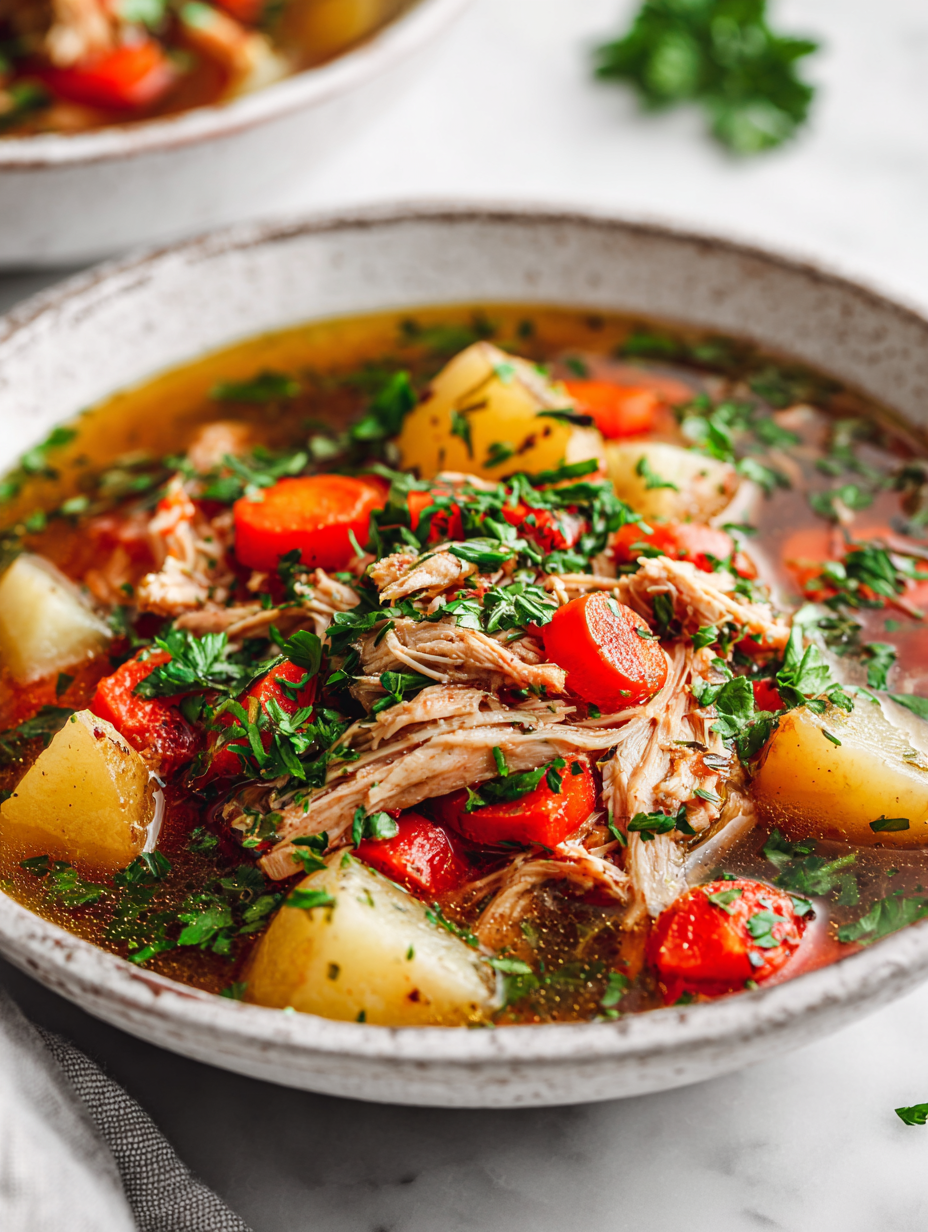
- Serve hot, garnished with additional herbs or a drizzle of oil if desired. Enjoy the comforting, creamy texture of this simple vegan potato soup!
Pro tips for perfect vegan potato soup
- Use a gentle simmer to avoid breaking down potatoes too much, keeping them slightly chunky for texture.
- Sauté onions over medium heat until translucent and fragrant—this builds a sweet, savory base for the soup.
- When blending, start on a low speed to prevent splattering, then increase gradually to a silky smooth texture.
- Add plant-based milk after blending to avoid curdling; warm it slightly before stirring in for creaminess.
- Taste and adjust seasoning at the end—potatoes can mellow flavors, so don’t be shy with salt and pepper.
- For extra flavor, toast a pinch of smoked paprika in the oil before adding the potatoes—smoky depth in every spoonful.
- If the soup thickens too much upon standing, stir in a splash of broth or milk to loosen it up before serving.
Common mistakes and how to fix them
- FORGOT to adjust heat after adding potatoes → Reduce to medium-low to prevent sticking.
- DUMPED in cold broth directly → Warm broth slightly for even cooking.
- OVER-TORCHED the garlic → Lower heat immediately and stir constantly.
- FAILED to taste and adjust seasoning → Always taste before serving for perfect balance.
Quick kitchen fixes
- If bubbling stops, splash in a little hot water to revive simmering.
- When soup is too thick, stir in warm broth until it shimmers and loosens.
- Splash a dash of lemon juice or vinegar if flavors taste flat or dull.
- Patch a burnt bottom by scooping the unburned top layers into a fresh pot, avoiding the char.
- Shield over-salted soup with a raw potato slice—remove after 10 minutes for a quick fix.
Prep, store, and reheat tips
- Peel and chop potatoes ahead of time; store in an airtight container in the fridge for up to 24 hours. The cooler, slightly damp environment keeps them from browning and preserves freshness.
- Prepare the onion and garlic in advance; keep chopped in a sealed container. Use within 1-2 days for the freshest aroma and flavor.
- Refrigerate leftover soup in a sealed container for up to 3 days. For best sensory quality, reheat gently until steaming and taste for seasoning adjustments.
- To reheat, warm on the stovetop over medium-low heat, stirring occasionally. The soup should shimmer gently, and you’ll notice a rich aroma as it heats through. Avoid boiling to prevent separation or thickening.
- Freezing isn’t recommended for this soup, as the texture can become grainy upon thawing. If you must freeze, do so in small portions and reheat thoroughly, expecting slight texture changes.
Top questions about vegan potato soup
1. Can I skip peeling the potatoes?
Peeling potatoes can be tedious, but it helps create a smoother soup. If you prefer, leave the skins on for more texture and nutrients, just give them a good wash first.
2. Can I substitute sweet potatoes?
Yes, you can use sweet potatoes for a sweeter, denser soup. Keep in mind it will alter the flavor and color, making it a bit more vibrant and earthy.
3. How do I brighten the flavor?
Adding a splash of lemon juice or vinegar brightens the flavors and balances the creaminess. Stir it in after blending for a fresh, zesty kick.
4. My soup is too thick—what now?
If the soup gets too thick after blending, stir in a bit more broth or plant-based milk until it reaches your desired consistency. It should shimmer gently and be pourable.

5. How should I reheat leftovers?
Reheat gently over medium-low heat, stirring often. It should steam softly and smell warm and inviting, with a velvety texture. Avoid boiling to prevent separation.
6. Can I use water instead of broth?
Use good-quality vegetable broth for depth of flavor. If you’re out, a splash of soy sauce or miso paste can add a savory boost without overpowering.
7. What seasonings work best?
Adding smoked paprika or a pinch of thyme during cooking enhances depth. Taste as you go, and adjust seasonings at the end for full flavor.
8. Can I freeze leftover soup?
You can freeze the soup in airtight containers for up to 2 months. Thaw in the fridge overnight, then reheat gently until steaming and fragrant.

9. How do I fix over-salted soup?
If you accidentally over-salt, toss in a raw potato or a splash of unsweetened plant milk to mellow the saltiness. Let it sit a few minutes and then taste again.
10. How can I make it creamier?
For a creamier texture, add an extra splash of plant-based milk or a dollop of coconut cream during blending. It gives a richer, more luxurious mouthfeel.
This soup feels like a small act of kindness—simple, honest, deeply nourishing. It’s one of those recipes I turn to when I need comfort that’s straightforward and satisfying.
Making it on a chilly day or when I’m short on time, I always appreciate how humble ingredients come together into something warm and familiar. It’s a reminder that good food doesn’t have to be complicated to be meaningful.

Hi, I’m Mason Harper, the voice and heart behind Rooting in Freshness. I’m so glad you’re here. This space was born from my love for seasonal ingredients, simple cooking, and the belief that food tastes better when it’s grown, chosen, and prepared with intention. Rooting in Freshness is more than a food blog to me. It is a reflection of how I live, cook, and connect with the world around me.






Leave a Reply