
Focusing on seasoning under the skin might sound like a small detail, but it makes all the difference in a roast chicken. It’s that secret step that keeps the meat juicy and bursting with herby, lemony flavor with every bite. I’ve learned this trick over years of experimenting, and honestly, it’s become my go-to for a reliable, flavorful dinner.
There’s something quietly satisfying about knowing you’ve maximized every inch of flavor in a simple roast. The lemon’s bright zing cuts through the richness, while fresh herbs add a fragrant, almost nostalgic touch. It’s a dish that feels fancy enough for guests but is straightforward enough for a weeknight, especially when you’re craving something comforting yet lively.
Focusing on the overlooked technique of seasoning under the skin to maximize flavor infusion and juiciness in roast chicken.
The overlooked art of under-skin seasoning
- I love how the lemon and herbs make the whole house smell like a fresh garden—bright, inviting, almost like spring’s in the air.
- There’s a quiet pride I feel when I carve into that crispy skin and see the juices still shimmering—like I’ve cracked some secret code.
- Sometimes, I get overwhelmed trying to balance flavor, but with this dish, I just trust the simple combo and let it do its thing.
- A good roast chicken reminds me of Sunday afternoons at my grandma’s—those lingering smells, the laugh-rich chaos, always comforting.
- It’s one of those recipes that turns a weekday dinner into a small celebration—nothing fancy, just honest, straightforward goodness.
The personal touch behind this dish
- This recipe started from a moment of chaos in my tiny kitchen. I was trying to make something quick but flavorful, and I realized I hadn’t bought any fancy ingredients—just a humble chicken, some lemons, and herbs I had on hand. That’s when I remembered how my grandmother used to toss lemon wedges and sprigs of thyme right under the skin, letting the flavors seep deep into the meat. It’s a simple trick, but it elevates the whole dish, making it taste like it’s been cooking all day.
- Whenever I’m pressed for time but craving something that feels special, this roast chicken is my fallback. It’s surprising how a little lemon zest and fresh herbs can turn an ordinary bird into something bright and fragrant, filling the house with an almost nostalgic warmth. I love how the crispy skin crackles when you carve, and the lemon juice brightens every bite—like a little burst of sunshine on a busy night.
- heading: “The personal touch behind this dish”
Contextual origin, trivia, or history
- Roast chicken with herbs and lemon traces back to Mediterranean kitchens, where bright flavors were prized for their freshness and simplicity.
- Lemon was historically used not just for flavor but also for its natural preservative qualities in poultry dishes.
- The technique of placing herbs and lemon under the skin has roots in traditional rustic cooking, helping infuse flavor deeply without overpowering the meat.
- In many cultures, lemon and herbs symbolize freshness and vitality, often associated with celebrations and gatherings.
- This dish has seen countless variations across regions—from French herb-seasoned roasts to Middle Eastern lemon-infused poultry—showing its universal appeal.
Key ingredients and tips
- Chicken: I prefer a whole bird with skin on—brings out that crispy exterior and juicy interior; skip the frozen, it thaws better and cooks evenly.
- Lemon: Fresh lemon zest and juice brighten the dish; if you only have bottled juice, add extra zest for that zesty punch and aroma.
- Herbs: A mix of thyme, rosemary, or parsley works; I love the fragrant, slightly piney scent when herbs hit the hot pan—use what’s fresh for the best flavor.
- Garlic: Minced garlic adds depth and a little smoky aroma; if you’re sensitive, toss whole cloves under the skin for subtle flavor without pungency.
- Olive oil: I drizzle generously—helps crisp the skin and holds the herbs in place; a neutral oil works if you prefer a lighter touch.
- Salt & Pepper: Season generously—under-salting is a common mistake; aim for a good layer of seasoning under and over the skin to maximize flavor.
- Optional: A splash of white wine or chicken broth in the roasting pan can keep things moist and add subtle depth—just don’t drown the pan.
Key Ingredients in Focus
Lemon:
- I love how fresh lemon zest and juice add a bright, tangy punch that cuts through the richness of the chicken. The zest releases a fragrant, citrus aroma, while the juice gives that lively, zingy finish to every bite.
- Herbs: Fresh thyme and rosemary bring a piney, aromatic depth that infuses the meat deeply. When they hit the hot oven, they release a fragrant steam, turning the kitchen into a herbal garden.
Herbs:
- I prefer fresh herbs for their vibrant scent and flavor, especially when they crisp slightly in the oven. Dried herbs can work, but they won’t deliver that punch of freshness and aroma that fresh herbs do.
- Chicken: A whole, skin-on bird is the secret to crispy skin and juicy meat. When properly seasoned and rested, it offers a tender bite with a satisfying crackle, especially when cooked at high heat.
Notes for ingredient swaps
- Meat-Free: Use eggplant or zucchini slices instead of chicken for a vegetarian version that still gets that lemon-herb brightness.
- Dairy-Free: Skip butter or creamy sauces; a drizzle of olive oil before roasting keeps skin crispy and adds richness.
- Low-Sodium: Choose a salt substitute or reduce salt and rely on herbs and lemon for flavor punch.
- Fresh Herbs: If you only have dried, use half the amount; crushed dried herbs release aroma but won’t give the same fresh punch.
- Lemon: Lime or orange zest and juice can work in a pinch, offering different but bright citrus notes.
- Oil: Avocado oil can replace olive oil for a milder, slightly nuttier flavor that handles high heat well.
- Garlic: Garlic powder can substitute fresh if pressed or minced isn’t available—just use less to avoid overpowering.
Equipment & Tools
- Roasting pan with rack: Elevates the chicken for even heat and crisping.
- Sharp knife: For loosening skin and carving.
- Spoon or small spatula: To gently loosen skin without tearing.
- Kitchen twine (optional): To truss the chicken if needed for even cooking.
Step-by-step guide to roasting
- Preheat your oven to 200°C (400°F). Gather a roasting pan, a sharp knife, and a spoon for easy handling.
- Pat the chicken dry with paper towels. Loosen the skin gently with your fingers or a small spoon, being careful not to tear it.
- Mix salt, pepper, chopped herbs, lemon zest, and a little garlic in a small bowl. Stuff some under the skin, especially over the breast and thighs; rub the rest all over the outside.
- Slice one lemon into quarters and place them inside the cavity along with a few sprigs of herbs. Tuck the remaining lemon slices on top of the chicken skin for aroma.
- Drizzle olive oil over the skin. Use your hands or a brush to evenly coat, helping the skin crisp up and herbs stick.
- Place the chicken on a rack in the roasting pan, breast side up. Roast for about 1 hour and 15 minutes, or until the skin is golden and crispy. Baste once halfway through if you like extra shine.
- Check for doneness: the juices should run clear when pierced, and the skin should be deep golden. The internal temp should reach 75°C (165°F).
- Remove the chicken from the oven. Rest it for at least 10 minutes, tented loosely with foil, so juices redistribute and the skin stays crisp. Carve and serve with pan juices.
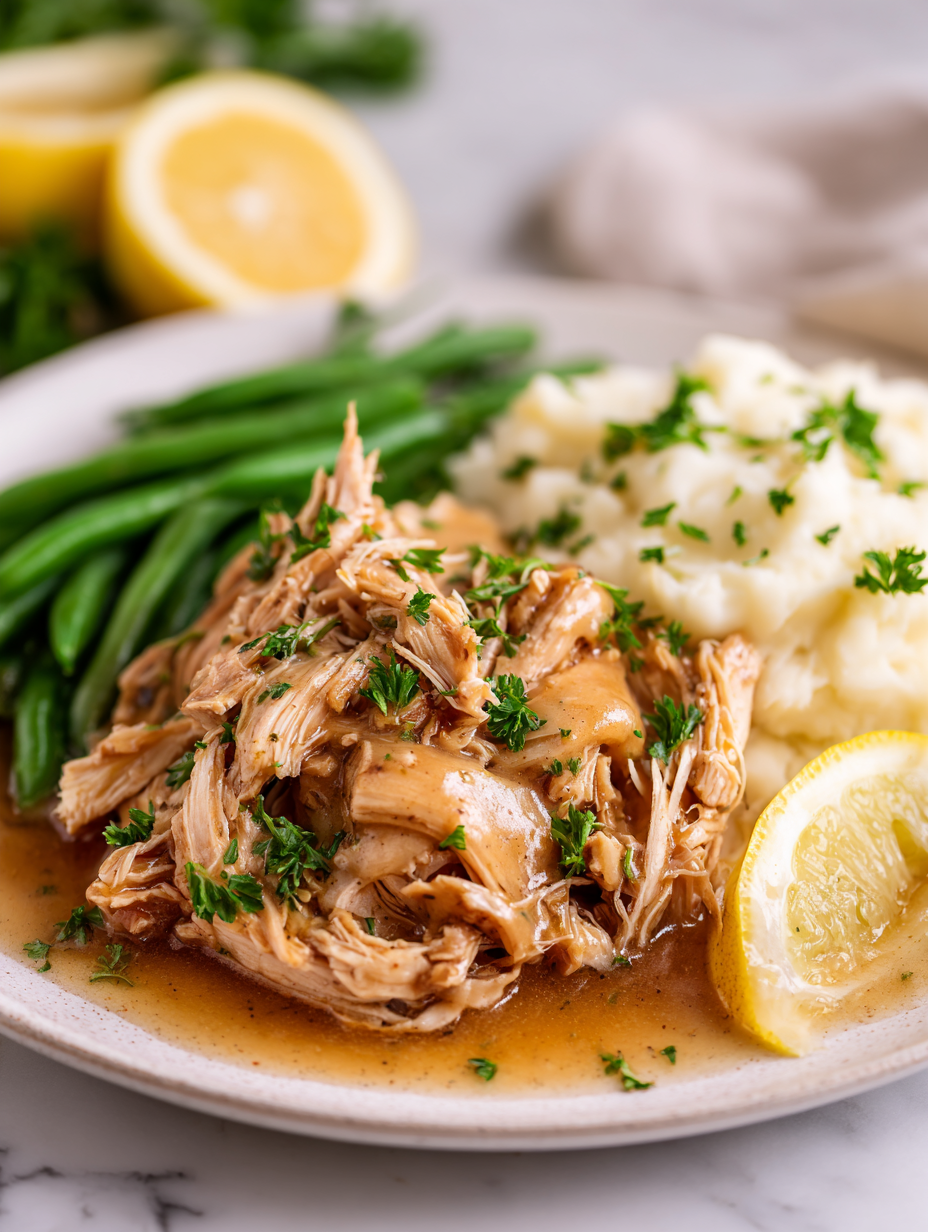
- Slice and serve with additional lemon wedges and a sprinkle of fresh herbs if desired.
Let the chicken rest tented with foil for at least 10 minutes. Carve and serve on a warm platter, spooning over pan juices for extra flavor.
How to Know It’s Done
- Golden, crispy skin with a fragrant lemon-herb aroma.
- Juices run clear when pierced with a skewer or knife.
- Internal temperature reaches 75°C (165°F) at the thickest part.
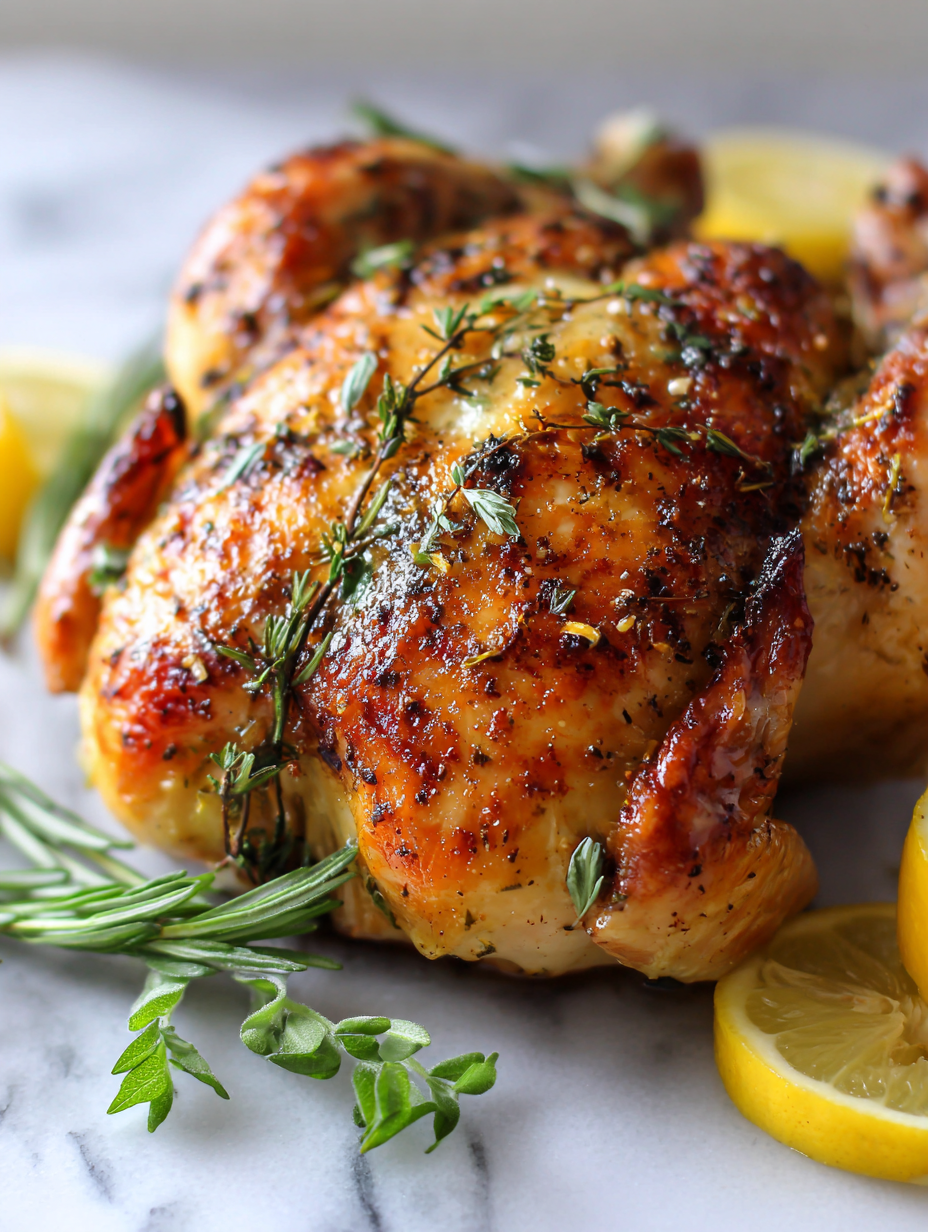
Herb and Lemon Under-Skin Roast Chicken
Ingredients
Equipment
Method
- Preheat your oven to 200°C (400°F) and prepare your roasting pan with a rack.
- Pat the chicken dry with paper towels to remove excess moisture, which helps achieve crispy skin.
- Gently loosen the skin from the chicken breast and thighs using your fingers or a small spoon, creating a pocket for the herbs and lemon zest.
- Mix chopped herbs, lemon zest, minced garlic, salt, and pepper in a small bowl, then evenly distribute some of this mixture under the loosened skin, especially over the breast and thighs.
- Stuff half of the lemon slices and a few sprigs of herbs inside the cavity for added aroma and moisture.
- Rub the outside of the chicken with olive oil and sprinkle generously with salt and pepper, ensuring even coverage for a golden, crispy skin.
- Place the remaining lemon slices on top of the chicken skin and add a few extra herbs for decorative and aromatic purposes.
- Set the chicken breast side up on the rack in the roasting pan, then roast in the oven for about 75 minutes, until the skin is deep golden and crispy.
- Check for doneness by piercing the thigh; the juices should run clear and the internal temperature should reach 75°C (165°F).
- Remove the chicken from the oven and tent loosely with foil. Let it rest for at least 10 minutes to allow juices to redistribute and skin to stay crispy.
- Carve the chicken, serve on a warm platter, and spoon over pan drippings. Garnish with fresh herbs and lemon wedges for a bright, flavorful presentation.
Notes
Pro tips for perfect roast chicken
- Bolded mini-head: Use your fingers to gently loosen the skin from the meat—this creates space for more flavor under the surface.
- Bolded mini-head: Season under the skin generously—think of it as giving your chicken a secret flavor boost that won’t wash away.
- Bolded mini-head: For extra crispiness, dry the chicken thoroughly before roasting; moisture is the enemy of crackly skin.
- Bolded mini-head: Place lemon slices on top of the skin in the last 20 minutes—this adds a fragrant, caramelized citrus aroma.
- Bolded mini-head: Baste the chicken halfway through roasting with pan juices—this keeps the skin glossy and flavorful.
- Bolded mini-head: Rest the chicken for at least 10 minutes before carving—this helps retain juicy, tender meat and prevents dryness.
- Bolded mini-head: Use a meat thermometer to ensure perfect doneness at 75°C (165°F)—avoid guesswork and overcooking.
Common mistakes and how to fix them
- FORGOT to measure seasoning under the skin → Use a generous amount, don’t skimp on salt and herbs.
- DUMPED hot pan directly into sink → Let it cool slightly before cleaning to avoid burns and warping.
- OVER-TORCHED skin → Cover loosely with foil if it browns too quickly, then finish cooking.
- MISSED resting time → Rest the chicken at least 10 minutes for juices to redistribute, ensuring moist meat.
Quick fixes and pantry swaps
- If skin isn’t crispy enough, splash with a little hot oil or broil for 2 minutes.
- When chicken is over-salted, rinse under cold water briefly, then pat dry and re-season lightly.
- Dumped pan juices before roasting? Patch by adding a splash of chicken broth and deglazing on the stove.
- When lemon juice shimmers too much, shield with foil for the last 10 minutes to prevent burning and bitterness.
- Splash with a little olive oil if the skin looks dull halfway through; it’ll shimmer and crisp up again.
Prep, store, and reheat tips
- You can season the chicken under the skin a day ahead, keeping it in the fridge overnight to deepen the herb and lemon flavor.
- Store leftovers in an airtight container in the fridge for up to 3 days; the lemon aroma intensifies and the meat stays juicy.
- Reheat gently in a warm oven (about 150°C/300°F) for 15-20 minutes until warmed through, watching for skin crispness to reappear.
- The flavors can mellow slightly after a day, but the herbs and lemon still shine through in the reheated meat and juices.
- For best results, avoid refrigerating the chicken with the crispy skin directly; reheat uncovered to restore some of the crunch.
Top questions about roast chicken
1. How do I know when the chicken is cooked?
Yes, using a meat thermometer helps ensure the chicken reaches 75°C (165°F) without overcooking, keeping it juicy and tender.
2. Can I skip the lemon or herbs?
Absolutely, lemon juice and zest brighten the meat and skin, giving it a fresh, tangy flavor that cuts through richness.
3. How do I season under the skin?
Loosen the skin gently with a spoon or your fingers, then stuff or rub seasoned herbs and lemon zest underneath for maximum flavor.
4. How long should I roast the chicken?
Roast the chicken on a rack in a preheated oven at 200°C (400°F) for about 1 hour 15 minutes, basting halfway for extra crispness.
5. Should I rest the chicken before carving?
Rest the chicken for at least 10 minutes after roasting; this lets the juices settle, ensuring moist, flavorful meat when carved.
6. Which herbs work best for this dish?
Use fresh herbs like thyme and rosemary for vibrant aroma; dried herbs can work but won’t give the same fresh punch.
7. Can I use frozen chicken?
Skip the frozen or pre-cut chicken; a fresh whole bird yields better crispy skin and juicy meat, especially when seasoned well.
8. How do I get extra crispy skin?
If the skin isn’t crispy enough, broil for 2-3 minutes or splash with hot oil to crisp up before serving.
9. How should I store and reheat leftovers?
Leftovers can be stored in the fridge for up to 3 days, reheated gently in a warm oven until the skin crisps again.

10. What if my chicken is too salty?
If the chicken turns out too salty, rinse briefly and pat dry before reheating, then adjust seasoning in your side dishes.
This dish is a reminder that simple ingredients, when treated with care, can create something truly satisfying. The bright lemon and fragrant herbs make every bite feel lively, even on the busiest nights. It’s a go-to that always feels like a small celebration, no matter the occasion.
Cooking this roast chicken is about embracing the little moments—cracking the crispy skin, squeezing fresh lemon over steaming meat, and sharing a meal that’s honest and unpretentious. Sometimes, it’s the simplest recipes that leave the biggest impression, especially when they fill your home with warmth and inviting aromas.

Hi, I’m Mason Harper, the voice and heart behind Rooting in Freshness. I’m so glad you’re here. This space was born from my love for seasonal ingredients, simple cooking, and the belief that food tastes better when it’s grown, chosen, and prepared with intention. Rooting in Freshness is more than a food blog to me. It is a reflection of how I live, cook, and connect with the world around me.

Leave a Reply